



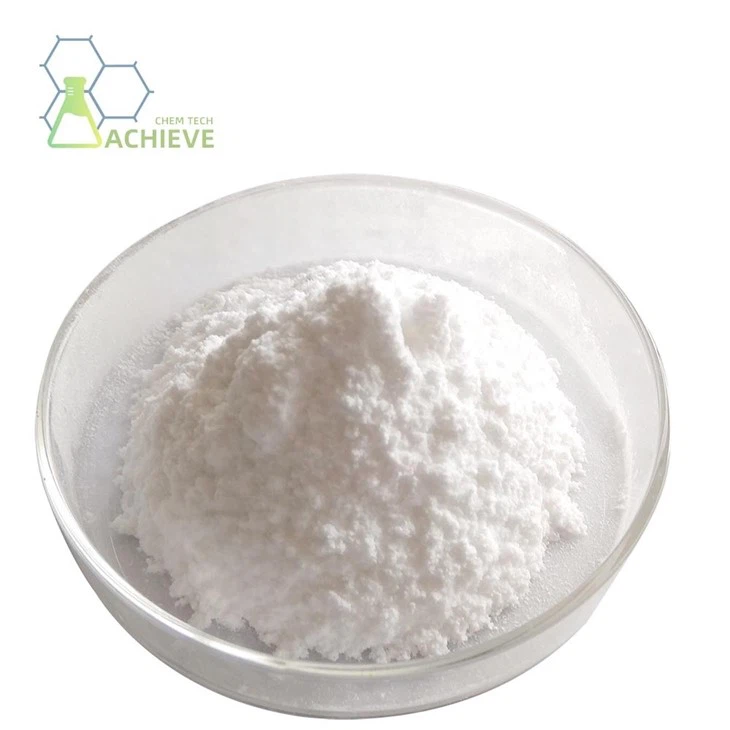
, also known as 7- [(3-chloro-6,11-dihydro-6-methyldibenzo [c, f] [1,2] - thiazepan-11-yl) - amino] heptanoic acid S, S-dioxide sulfate, molecular formula C21H25ClN2O4S, CAS 1224690-84-9. It usually exists in the form of a white solid or white crystalline powder and is an important pharmaceutical intermediate mainly used for the treatment of depression. As an important pharmaceutical ingredient, its use is mainly focused on treating depression and related mental health issues. Its unique pharmacological mechanism, good clinical efficacy, and safety make it widely used in clinical practice. In addition, it has multiple uses such as scientific research and foreign trade, making important contributions to the development of the pharmaceutical industry.


|
|
|


, as an important pharmaceutical ingredient, is mainly used in the field of medicine, especially in the treatment of depression and related mental health problems.
1. Antidepressant effect:
It mainly acts on the 5-hydroxytryptamine (5-HT) system, and unlike traditional tricyclic antidepressants (TCA), it can increase the reuptake of 5-HT in synaptic cleft, which may have an effect on enhancing 5-HT neuronal conduction. This unique mechanism enables tianeptin to exhibit similar efficacy in antidepressant treatment as traditional drugs, but with better tolerability and safety.
Has no affinity for cholinergic or adrenergic receptors, therefore does not cause side effects related to these systems, such as anticholinergic symptoms or adverse cardiovascular reactions.
3. The effect on mood disorders:
As a classification of antidepressants, it falls between sedative antidepressants and excitatory antidepressants. It has a certain effect on mood disorders, especially in improving gastrointestinal discomfort symptoms related to anxiety and mood disorders.


2. Anti anxiety effect:
Clinical studies have shown that it is also effective in treating anxiety symptoms, and in some studies, the HAMA (Hamilton Anxiety Scale) score reduction rate at the end of the 6th week is even slightly higher than traditional anti anxiety drugs such as amitriptyline. This indicates that tianeptin has potential advantages in treating patients with depression accompanied by anxiety.
1. Treatment for depression:
It is one of the important drugs used to treat depression. Its unique antidepressant mechanism has shown good efficacy and tolerability in clinical practice, making it suitable for long-term treatment.
2. Treatment of anxiety symptoms:
Due to its effectiveness in treating anxiety symptoms, it is often used for the treatment of patients with depression accompanied by anxiety. This dual effect enables patients to simultaneously alleviate symptoms of depression and anxiety during the treatment process, improving their quality of life.
3. Assistive treatment for other mental health issues:
It may also have a certain effect on the personality and behavioral disorders that occur in alcoholics during their abstinence period. In addition, studies have shown that tianeptin may also have certain effects on improving non mental health problems such as childhood asthma, but these applications still need further clinical research and validation.


1. Absorption and distribution:
It is rapidly and completely absorbed and distributed in the digestive tract, with a plasma protein binding rate (PPB) of up to 94%. This enables drugs to quickly enter the bloodstream and act on target organs.
2. Metabolism and excretion:
Metabolized completely in the liver through - oxidation and N-demethylation. Its clearance half-life (T1/2) is relatively short, at 2.5 hours. The drug is mainly excreted in the form of metabolites through urine, with only a very small amount (about 8%) of the original drug excreted from the kidneys. The half-life of drug clearance in patients with renal insufficiency will be extended by about 1 hour.
1. Research purposes:
As a pharmaceutical intermediate, it has important scientific research value in the process of drug development. Researchers can utilize its unique pharmacological mechanism to develop and study new drugs.
2. Foreign trade purposes:
Due to its widespread application and market demand in the pharmaceutical industry, it has also become one of the important products for foreign trade exports. The increasing demand for tianeptin sulfate from domestic and foreign pharmaceutical companies and research institutions has driven the prosperity of its foreign trade market.


and research and development of drugs. The synthesis of sulfamethoxazole usually involves multiple steps, including the selection of raw materials, the synthesis of intermediates, and the final salt formation reaction. These steps require precise operation and strict control of reaction conditions to ensure the purity and yield of the product.
The synthesis of sulfamethoxazole usually starts from specific starting materials, such as 7-aminoheptanoate ethyl ester, 5,8-dichloro-10-dioxo-11-methyldibenzo [c, f] thiazepine, etc. These raw materials need to be purified and processed to meet the requirements of the synthesis reaction.
In the process of synthesizing sulfamethoxazole sulfate, it is usually necessary to synthesize a series of intermediates. The synthesis steps of these intermediates are complex and critical, directly affecting the quality and yield of the final product. The following is a possible intermediate synthesis pathway:
Step 1: Esterification reaction
React 7-aminoheptanoic acid ethyl ester with an appropriate acylation reagent to generate the corresponding esterification product. This step is usually carried out under acidic or alkaline conditions and requires control of reaction temperature and time.
Step 2: Cyclization reaction
React the esterification product obtained in the previous step with cyclization reagents such as 5,8-dichloro-10-dioxo-11-methyldibenzo [c, f] thiazepine to generate an intermediate containing the skeleton of tianeptin. This step may require the presence of a catalyst and control of reaction temperature, pressure, and solvent conditions.
Step 3: Hydrolysis and acidification
Hydrolyze and acidify the intermediate obtained from the cyclization reaction to remove protective groups and introduce the desired functional groups. This step usually requires the use of acidic solution and control of reaction temperature and time.
After obtaining the acid form of tianeptin, it needs to be converted into the sulfate form. This step is usually achieved through a salt formation reaction, which involves reacting tianeptin acid with sulfuric acid or sulfate to produce tianeptin sulfate. The following is a possible salt formation reaction step:
Step 1: Dissolve and Mix
Dissolve tianeptinic acid in a suitable solvent, such as ethanol or methanol. Then, add sulfuric acid or sulfate solution to the solution and mix thoroughly.
Step 2: Reaction and Crystallization
Allow the reaction to proceed for a period of time under appropriate temperature and stirring conditions. As the reaction progresses, sulfamethoxazole sulfate will gradually precipitate. At this point, the crystallization process can be promoted by cooling or adding other solvents.
Step 3: Filtration and Drying
Filter and collect the precipitated sulfamethoxazole sulfate, and wash it with an appropriate solvent to remove impurities. Then, dry the product at an appropriate temperature to a constant weight to obtain pure sulfamethoxazole sulfate.
In the process of synthesizing sulfamethoxazole sulfate, researchers usually optimize and improve the synthesis method in order to improve the purity and yield of the product. Here are some possible optimization measures:
Select high-purity raw materials and undergo strict purification treatment to reduce the impact of impurities on the synthesis reaction.
01
Accurately control reaction temperature, pressure, solvent type, and dosage to optimize the reaction process and improve product quality.
02
Use appropriate catalysts in critical steps to accelerate reaction rates and improve product yields.
03
Purification of intermediates generated during the synthesis process to remove impurities and improve the efficiency and product quality of subsequent reactions.
04
.
05
is a compound with unique pharmacological effects that is clinically used to treat certain mental and psychological disorders. However, like other drugs, it may also bring a series of adverse reactions while exerting therapeutic effects. These adverse reactions not only affect the treatment effectiveness and quality of life of patients, but may even cause damage to their physical health in severe cases.
Palpitations: Patients may feel a rapid heartbeat, palpitations, and sometimes irregular heartbeats. The occurrence of palpitations may be due to Tianeptine Sulfate affecting the autonomic nervous system regulation of the heart, leading to increased sympathetic nervous system excitability and increased heart rate.
Blood pressure fluctuations: Some patients may experience an increase or decrease in blood pressure. The increase of blood pressure may be related to vasoconstriction or fluid retention caused by drugs; The decrease in blood pressure may be due to medication dilating blood vessels or affecting the pumping function of the heart. Excessive fluctuations in blood pressure may affect the blood perfusion of important organs such as the heart, brain, and kidneys.
Arrhythmia: In rare cases, Tianeptine Sulfate may cause severe arrhythmias such as ventricular premature beats, ventricular tachycardia, etc. The occurrence of arrhythmia may affect the normal pumping function of the heart, leading to changes in hemodynamics, and in severe cases, even causing cardiac arrest, endangering life.
Myocardial infarction: Although very rare, there are reports suggesting that Tianeptine Sulfate may be associated with the occurrence of myocardial infarction. This may be due to medication causing coronary artery spasm or promoting thrombus formation, resulting in insufficient myocardial blood supply and leading to myocardial infarction.
The occurrence of adverse reactions in the cardiovascular system is related to the direct and indirect effects of drugs on the cardiovascular system. Tianeptine Sulfate may affect heart rate and blood pressure by altering the balance between sympathetic and parasympathetic nervous systems through modulation of neurotransmitters in the cardiovascular center. In addition, drugs may also have a direct effect on vascular smooth muscle, leading to vasoconstriction or dilation of blood vessels.
Individual cardiovascular status, concomitant medications, and other factors can also affect the occurrence of adverse reactions. For example, patients with cardiovascular diseases such as hypertension and coronary heart disease have poor compensatory ability in their cardiovascular system, and the risk of adverse cardiovascular reactions significantly increases after taking Tianeptine Sulfate; Meanwhile, when used in combination with other cardiovascular drugs, drug interactions may occur, further increasing the likelihood of adverse reactions.
Népszerű tags: tianeptine sulfate cas 1224690-84-9, suppliers, manufacturers, factory, wholesale, buy, price, bulk, for sale